Wind Farm Mortality of Chiroptera
a glimpse of turbine-related mortality and its effect on bat populations
Collection Terminology
This page briefly explains some of the specialized terminology used in this collection.
Glossary
Barotrauma:
In the context of wind energy infrastructure, this refers to the internal injuries resulting from rapid air pressure changes; One of the mechanisms by which the use of HAWTs results in wildlife mortality, this particularly affects bats and occurs when they pass near the rapidly spinning turbine blades and manage to avoid a direct impact - the sudden drop in pressure causes internal organs (most often lungs) to rupture
Collision:
In the context of wind energy infrastructure, this refers to the destructive physical contact between flying wildlife and the rotating blades or tower of a wind turbine, resulting in injury or mortality
Curtailment:
The reduction or cessation of wind turbine movement through feathering of wind turbine blades (angling the blades parallel to the wind to slow or stop them from turning) when risk of wildlife collision is determined to be high; Common strategies include raising cut-in speed, blanket curtailment, smart curtailment or informed monitoring-based curtailment (see also: mitigation, resources)
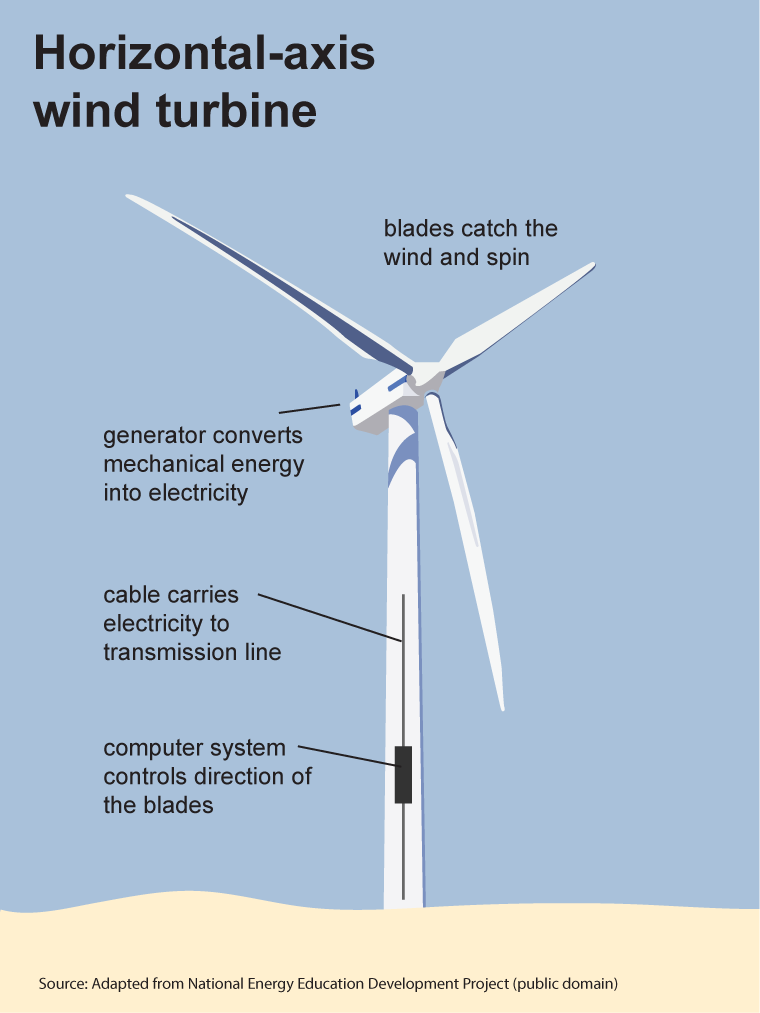
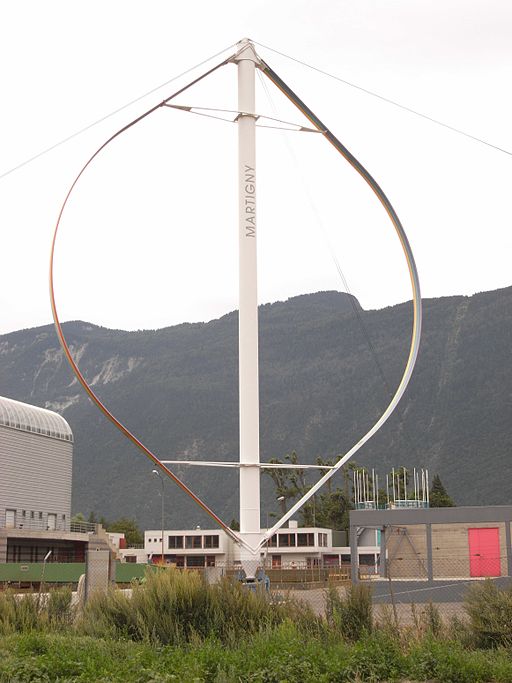
Horizontal-axis Wind Turbine:
The most commonly-used wind turbine design in the U.S., they feature 3 propeller-like blades which rotate in a fan-like pattern; From a distance, the blades (which are up to 100 feet long) appear to be spinning slowly, but the actual speed of the blade tips reaches up to 200 mph, creating a visual effect known as “motion smear” which contributes to direct impact mortality of birds (see also: collision, barotrauma)
Mitigation:
In the context of wind energy infrastructure, this refers to measures taken in order to minimize or eliminate negative impact on environmental considerations such as wildlife or habitat. In the case of HAWT wind farms, this generally involves curtailment of turbine activity (see also: curtailment)
Mortality:
In the context of environmental and demographic science, this refers to the rate at which individuals die within a population and signifies population-level impact of the factor(s) under study

White-nose Syndrome (WNS):
Resulting from the fungus Pseudogymnoascus destructans (Pd) which negatively impacts bats’ metabolic functions, this disease is characterized by the visible white spores which often appear on infected bats’ muzzles; Since it was first introduced to the U.S. (outside Albany, NY in 2006), the fungus has spread to hibernacula across North America and resulted in the deaths of millions of bats, with a mortality rate near 90%